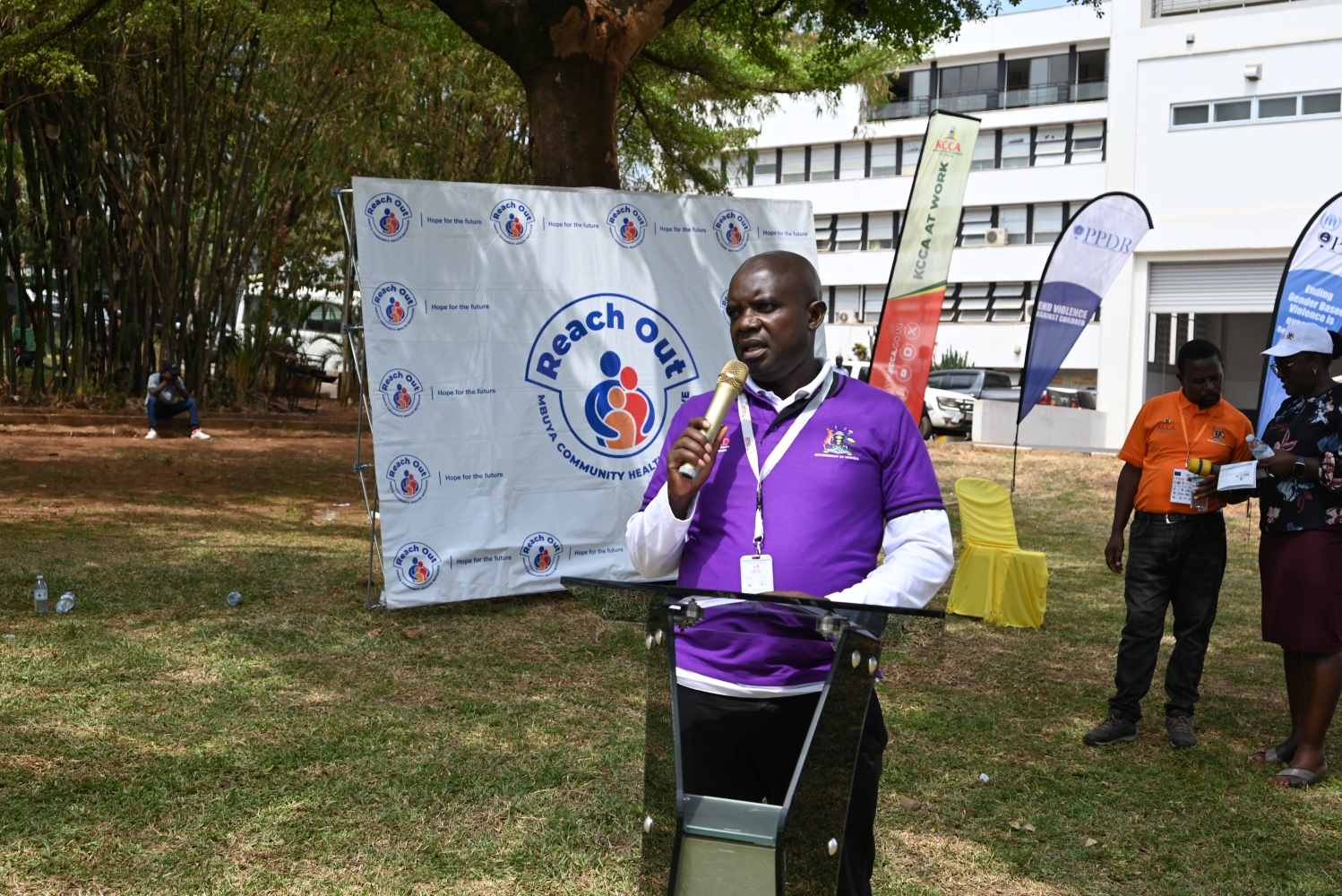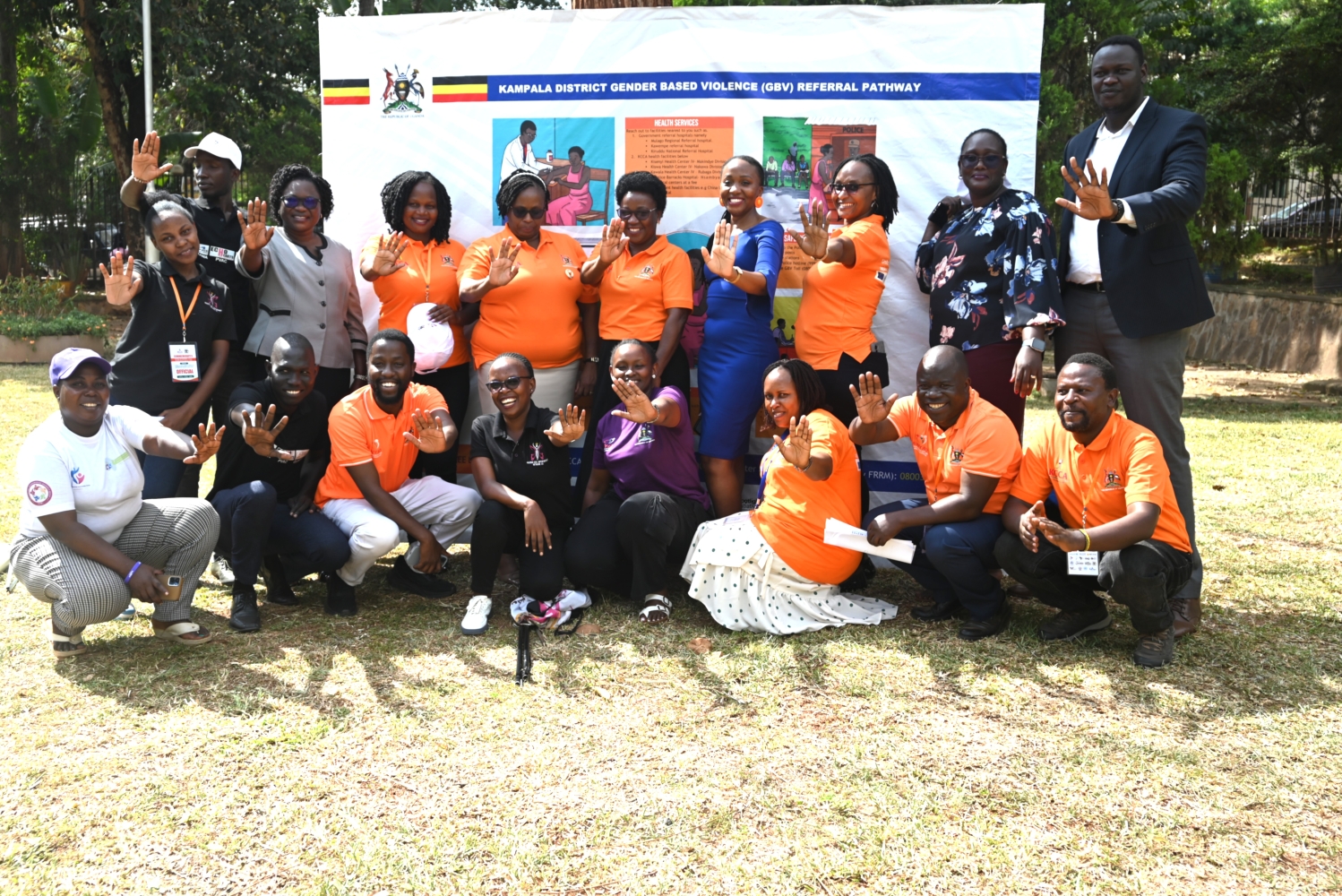
Reach Out Mbuya Community Health Initiative (ROM), in partnership with Kampala Capital City Authority (KCCA) and other stakeholders, joined the global community to commemorate the 16 Days of Activism against Gender-Based Violence, with a strong call to confront cyber harassment and hate speech targeting women and girls.
Speaking at the event, Sheila Birungi Gandi, Director for Gender, Community Services and Production at KCCA, emphasized that the theme challenges society to address the growing digital threats that silence women’s voices and limit their participation in public life. She said,
“As a directorate, it is our responsibility to place digital safety at the centre of our work, ensuring a secure, vibrant, and sustainable digital environment for all.”
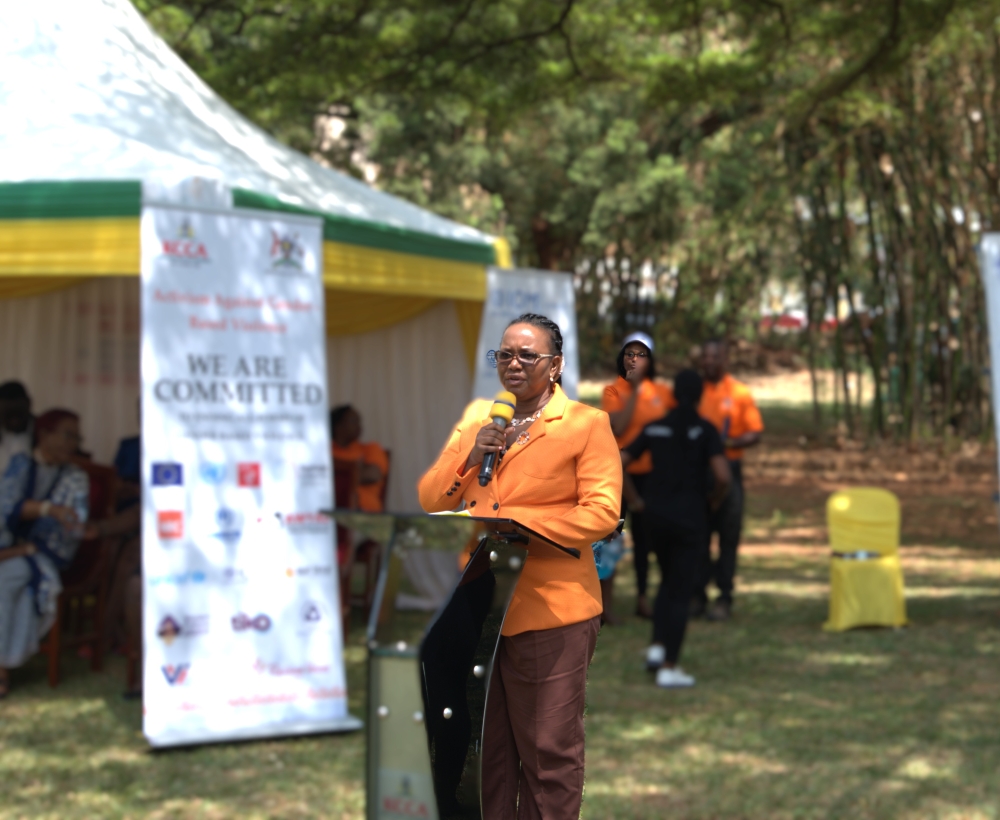
She added that Digital violence often begins subtly online, yet its impact is far-reaching. Adding,
“Cyber abuse can lead to reputational damage and has increasingly pushed women journalists, politicians, and other public figures out of online spaces, reversing many of the gains made through digital inclusion. Vulnerable populations—including adolescent girls, young women, persons with disabilities, and others engaged in income-generation activities—face an even higher risk. This form of violence carries a significant economic cost, hindering the full participation of women and girls in Kampala’s growing economy.”
Mr. Eric Tumwesigye, Senior Gender Officer at Makerere University’s Gender Mainstreaming Directorate, highlighted Uganda’s rapid digital expansion, now with over 30 million internet users, while warning of a widening digital divide and rising digital violence rooted in harmful gender norms. He said,
“Violence does not discriminate; regardless of class, wealth, education, or position, anyone can become a victim of digital violence.Once harmful content goes online, it becomes extremely difficult to trace, erase, or hold the perpetrator accountable. We must take collective responsibility and build the digital literacy and tools needed to protect ourselves.”
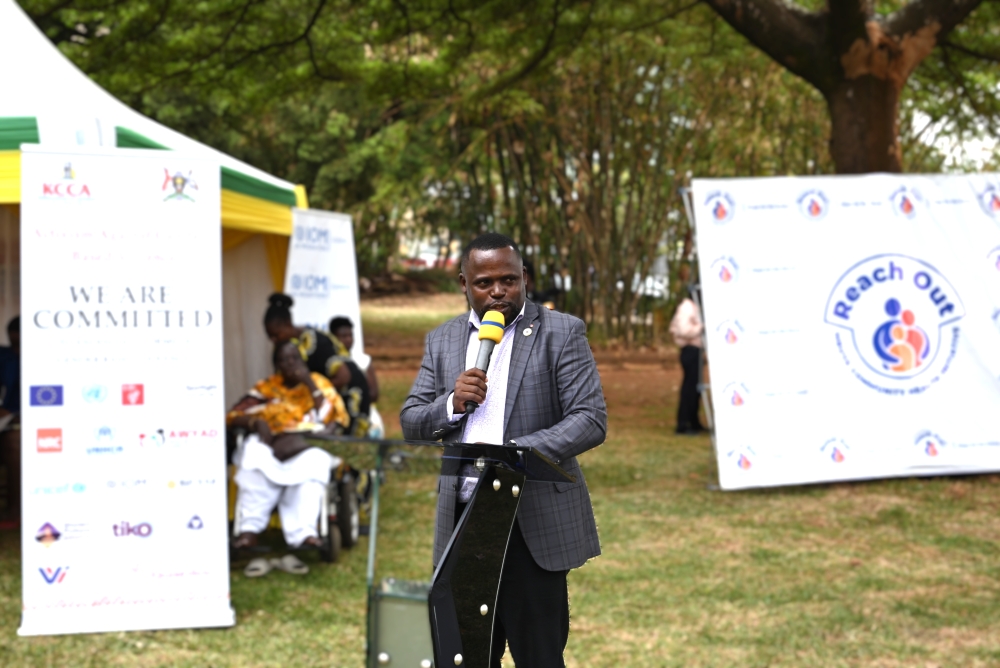
Adding a historical perspective, Grace, a representative for Children and the Elderly, drew parallels between past physical violence and today’s digital abuse, stressing that both are equally dangerous.

She reflected on the hardships endured during periods of conflict, noting that while the forms of violence have changed, their impact remains devastating.
Henry Bakina on behalf of the Executive Director of African Women and Youth Action for Development (AWYAD) emphasised that awareness is critical, noting that at the intersection of violence is often a person who does not know where to turn or chooses silence.