

Earlier in October 2025, we had the distinct pleasure of hosting a delegation of medical students from the Netherlands. The students came seeking to learn more about our holistic approach to community development, focusing on the crosscutting factors that drive positive change in health and well-being.
ROM provides a holistic model of care to People Living with HIV and, where necessary, their families, taking care of the medical, social, emotional, and economic aspects of their lives to foster dignified living.

Key highlights focused on illustrative presentations and insightful site visits.
The moments were structured to provide both theory and real-world exposure. The students engaged in illustrative presentations covering our core program areas. They actively participated, asking insightful questions that demonstrated a keen interest in the link between social factors and health outcomes.
Key projects in discussion highlighted how social and economic empowerment acts as a core strategy for achieving public health goals:
- Roses of Mbuya Social Enterprise (ROMSE) and Health: The students explored how providing training and market access to community members, many of whom are women. This enables them to afford better nutrition, sanitation, and healthcare for their families. Economic empowerment is, therefore, recognized as a vital strategy for public health.

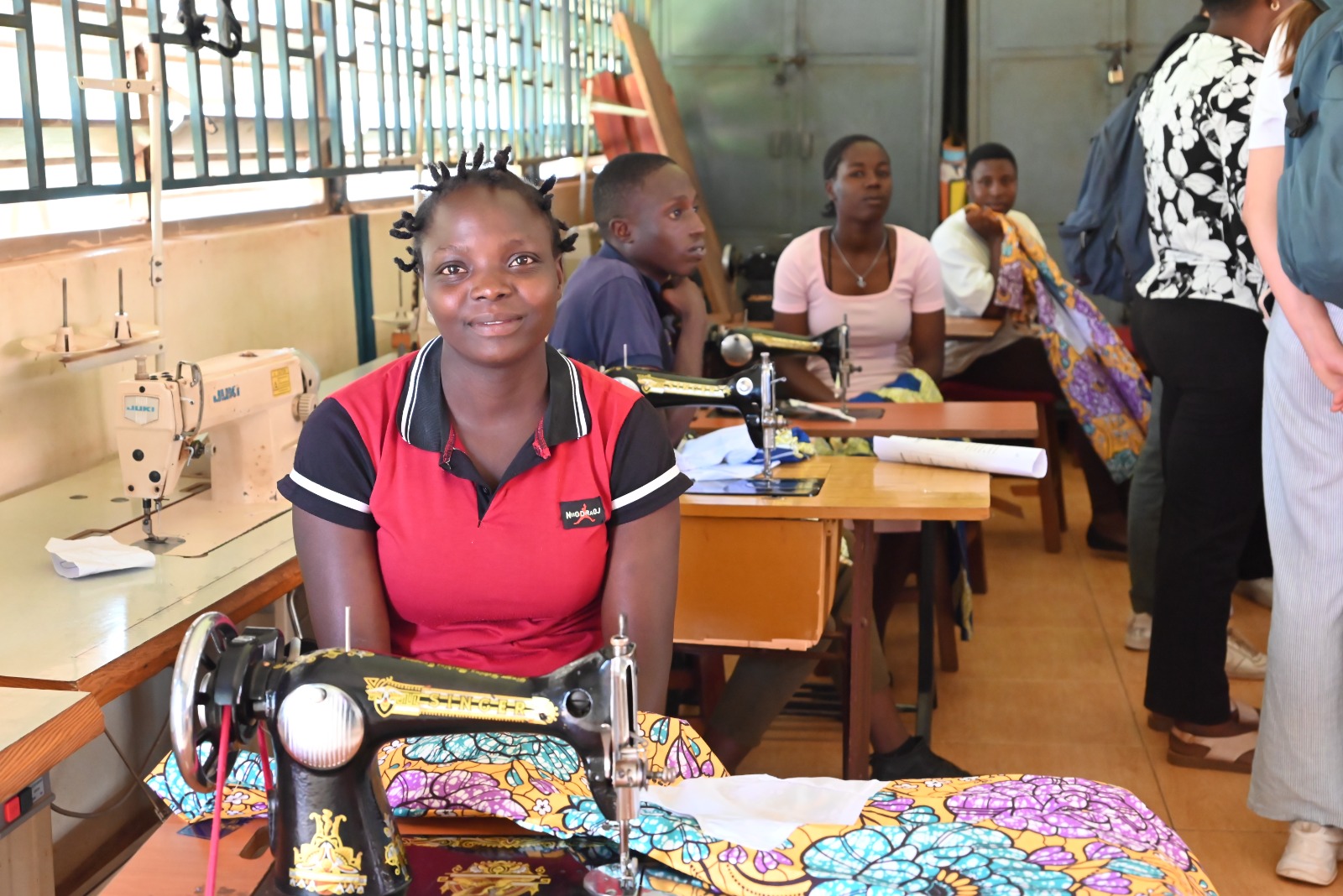
2. Maternal and Child Care (MCC) Project: This program focuses on increasing access to antenatal and health care services for vulnerable young mothers. A critical component is ensuring these mothers can sustain themselves and their families through socio-economic empowerment and life-skilling, breaking the cycle of poverty and poor health.
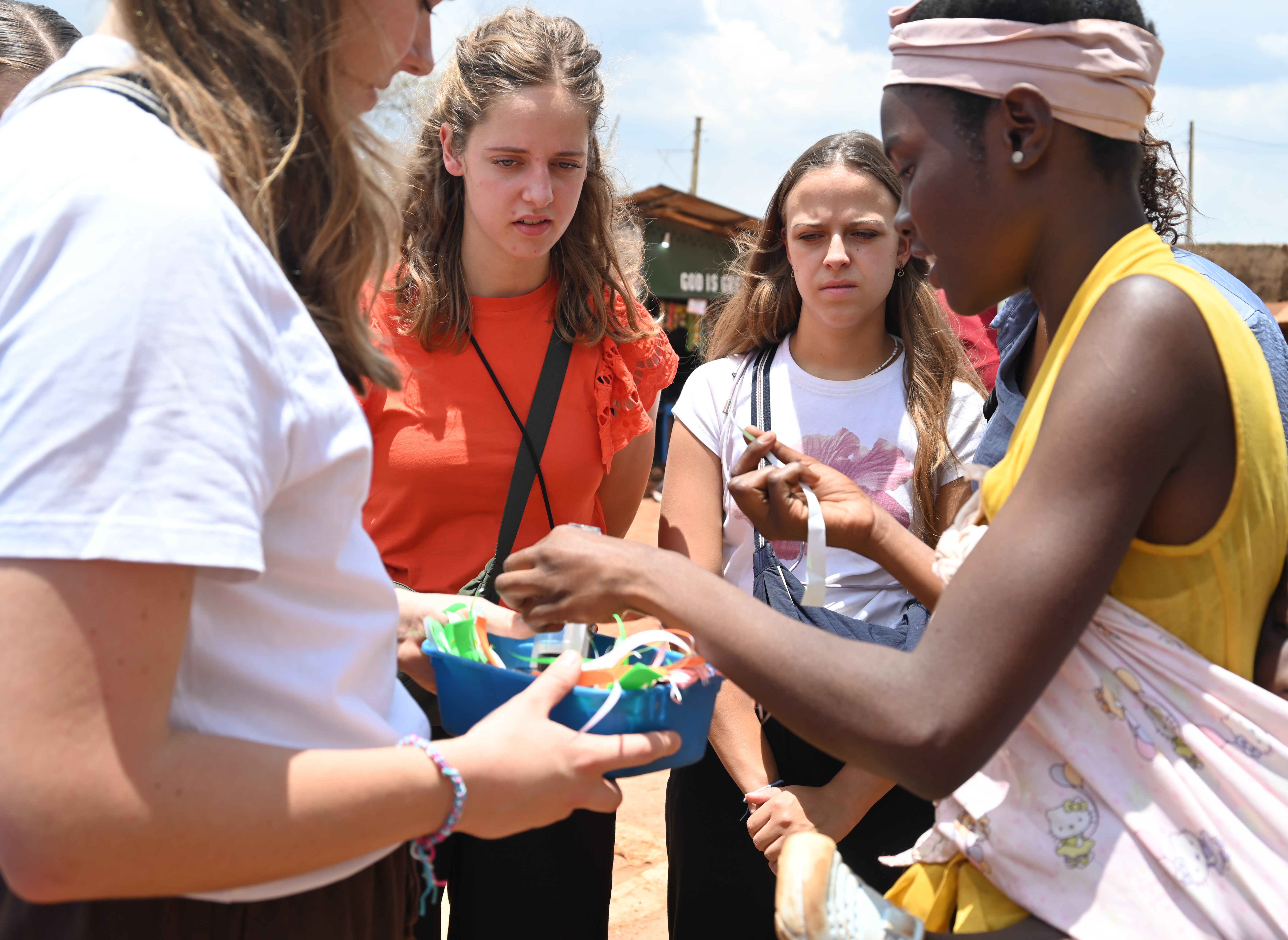
3. The SHE SOARS Project: Understanding how this initiative is specifically designed to empower women and girls was a central focus. Empowerment of women is highlighted as being essential for improving overall family and community health outcomes.
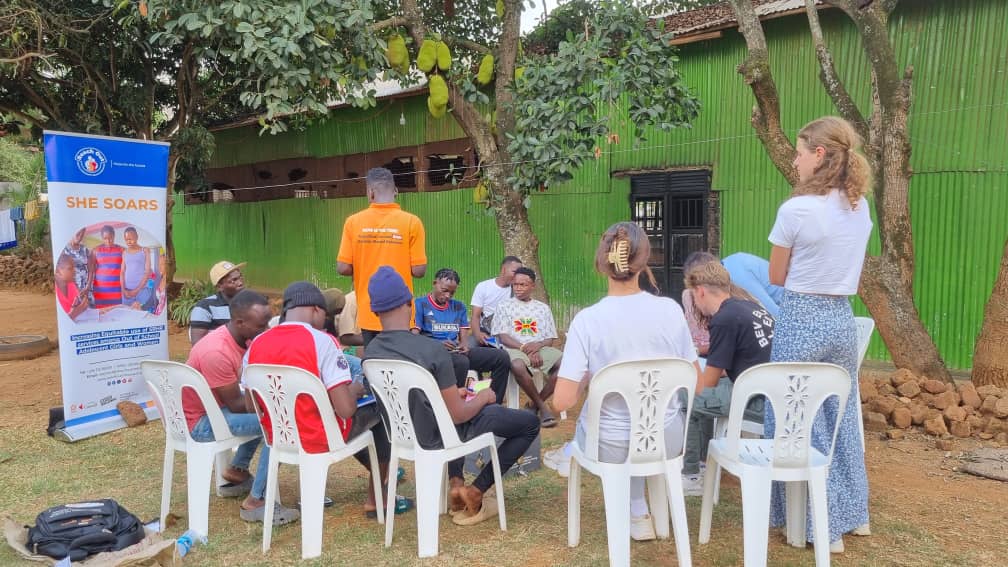
The energy and enthusiasm shown by the medical students throughout was truly inspiring. Their engagement reinforces the global importance of understanding how social enterprises and empowerment programs integrate with medical care to create healthier communities. We look forward to seeing how the valuable knowledge gained here will inform their future practice and advocacy for vulnerable communities globally.