
Rising drug abuse and injectable opioid use continue to increase the risk of HIV transmission, stigma, mental health disorders, and social instability among vulnerable populations. This growing public health challenge highlights the need for accessible, integrated, and compassionate treatment approaches that not only support recovery and harm reduction but also promote psychosocial well-being, social reintegration, and restoration of dignity among affected individuals and communities.
Opioid Agonist Treatment (OAT) is a harm reduction approach that involves providing individuals dependent on opioids such as heroin, morphine, codeine, and fentanyl with safer, medically supervised substitute medications such as methadone or buprenorphine to reduce withdrawal symptoms, suppress cravings, minimize harmful drug use behaviors, and support recovery and reintegration into society.
In response to the growing burden among people who inject drugs, Reach Out Mbuya Community Health Initiative (ROM), with funding from the U.S. Government through the Centers for Disease Control and Prevention (CDC), implemented the OAT programme from October 2023 to December 2025. Since its rollout in September 2020, the programme has enrolled 925 clients and has contributed to improved health outcomes, family reintegration, restoration of hope and dignity, and increased engagement in productive livelihoods among beneficiaries.
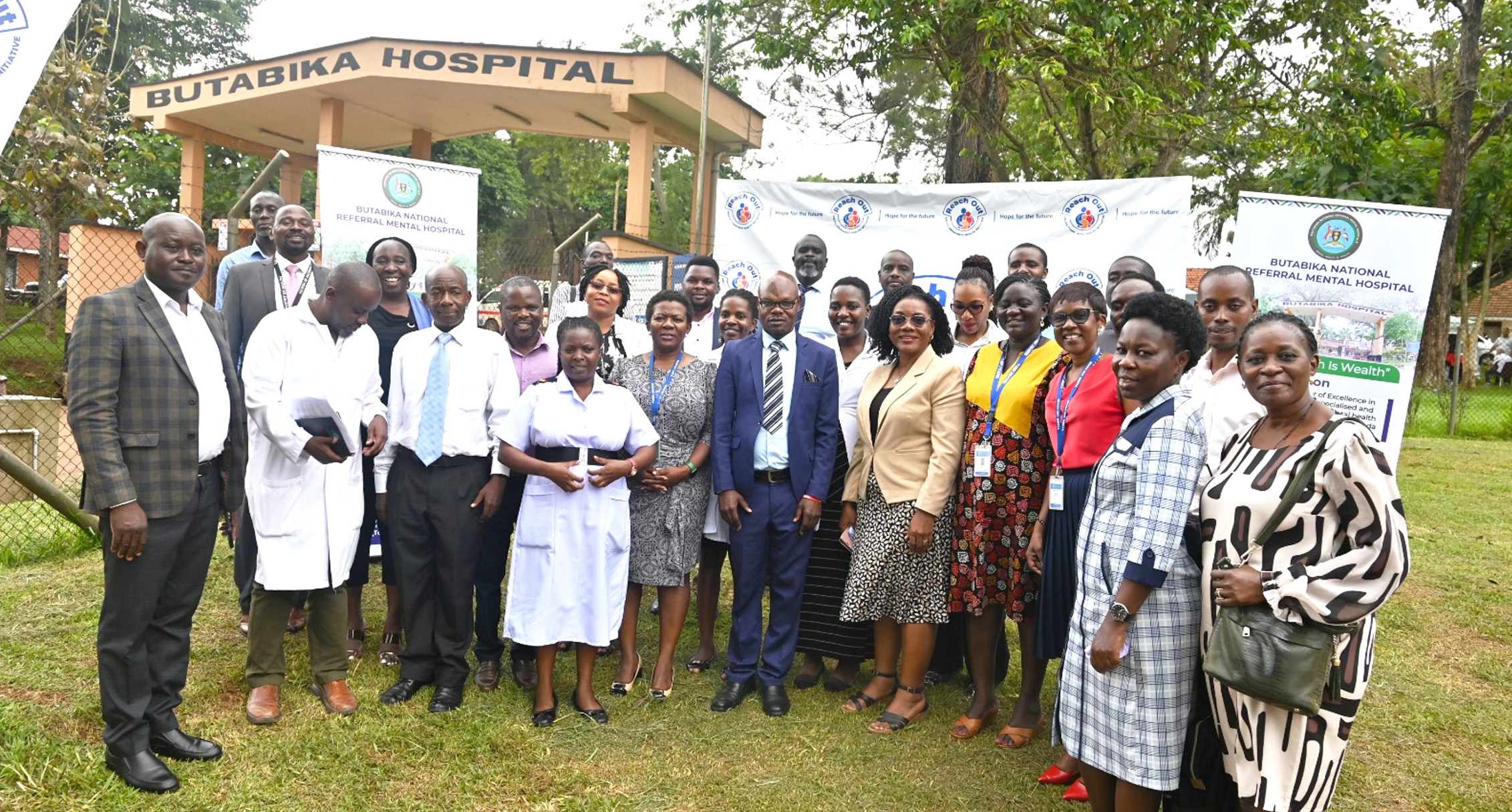
On 31st March 2026, ROM officially handed over the management of the intervention to Butabika National Referral Hospital (NRH), where the programme will henceforth be managed under the Alcohol and Drug Unit by the Government of Uganda through the Ministry of Health (MoH). The handover marked an important milestone toward sustainability, government ownership, and long-term integration of harm reduction services into the national healthcare system.
Speaking at the event, Dr Stella Alamo-Talisuna, Associate Director for Programs at CDC Uganda, emphasized the transformative impact of the integrated care model and commended the leadership of the MoH and Butabika NRH for their commitment to sustaining and expanding the programme, including efforts to mobilize additional resources. She also recognized the contribution of implementing partners in establishing, strengthening, and scaling up the service to reach vulnerable populations in need of comprehensive care and support.
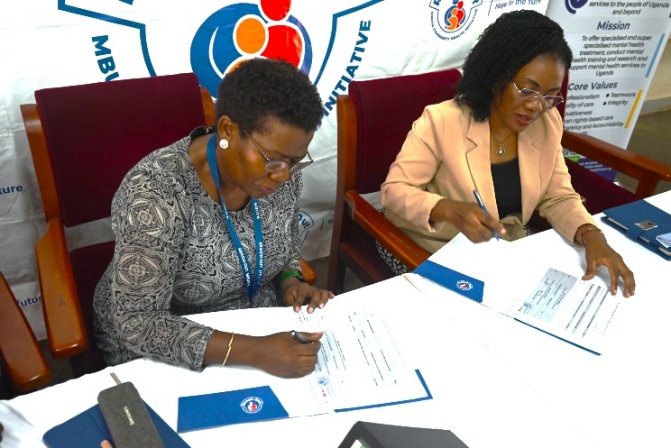
“We recognize the remarkable progress made in strengthening comprehensive healthcare services in Uganda. What began in 2020 as a small initiative has grown into a nationally recognized model of integrated care. This program has expanded its reach significantly, serving hundreds of individuals and positively impacting many more through comprehensive, person-centered services. The success of this approach lies in its integration, providing treatment for opioid use disorder alongside HIV care, mental health services, and psychosocial support, all under one roof. This model has contributed to improved health outcomes, including HIV prevention and viral suppression.”Dr Stella Alamo
Improving Access Through Innovation
To address access challenges related to long travel distances and stigma, the program introduced a Mobile Van Dispensing model at Kisenyi Health Centre IV in August 2025. The mobile unit provides daily medication and additional services, including HIV testing, TB screening, and mental health support. So far, 44 clients have been enrolled through this outreach model, bringing services closer to the community.
“This initiative has supported many individuals to regain control of their lives, particularly young people who have greatly benefited from these services. We strongly believe that this service is essential because of the visible impact it has had, especially among vulnerable populations. I extend sincere appreciation to all partners for the time, effort, and commitment invested in delivering this service. As we transition, there is a need to properly package the program so that it is fully integrated and recognized within the broader health system, positioning it as a standard, accessible, and sustainable service. We have now moved into the next phase, one that requires ownership, continuity, and strengthening of what has already been built.”Dr. Juliet Nakku, ED BNR