
In May 2026, Reach Out Mbuya Community Health Initiative (ROM) made 25 years of transforming lives and strengthening communities. What started in 2001 as a humble church-based response to the HIV/AIDS crisis has grown into a leading faith-based institution delivering holistic health and social services to thousands of vulnerable individuals and families.
A Humble Beginning
ROM was founded in May 2001 by Mbuya Parish Catholic Church in response to the growing HIV/AIDS epidemic. The organization began with just 14 clients and a handful of dedicated volunteers operating from the church basement before later relocating to the church hall.
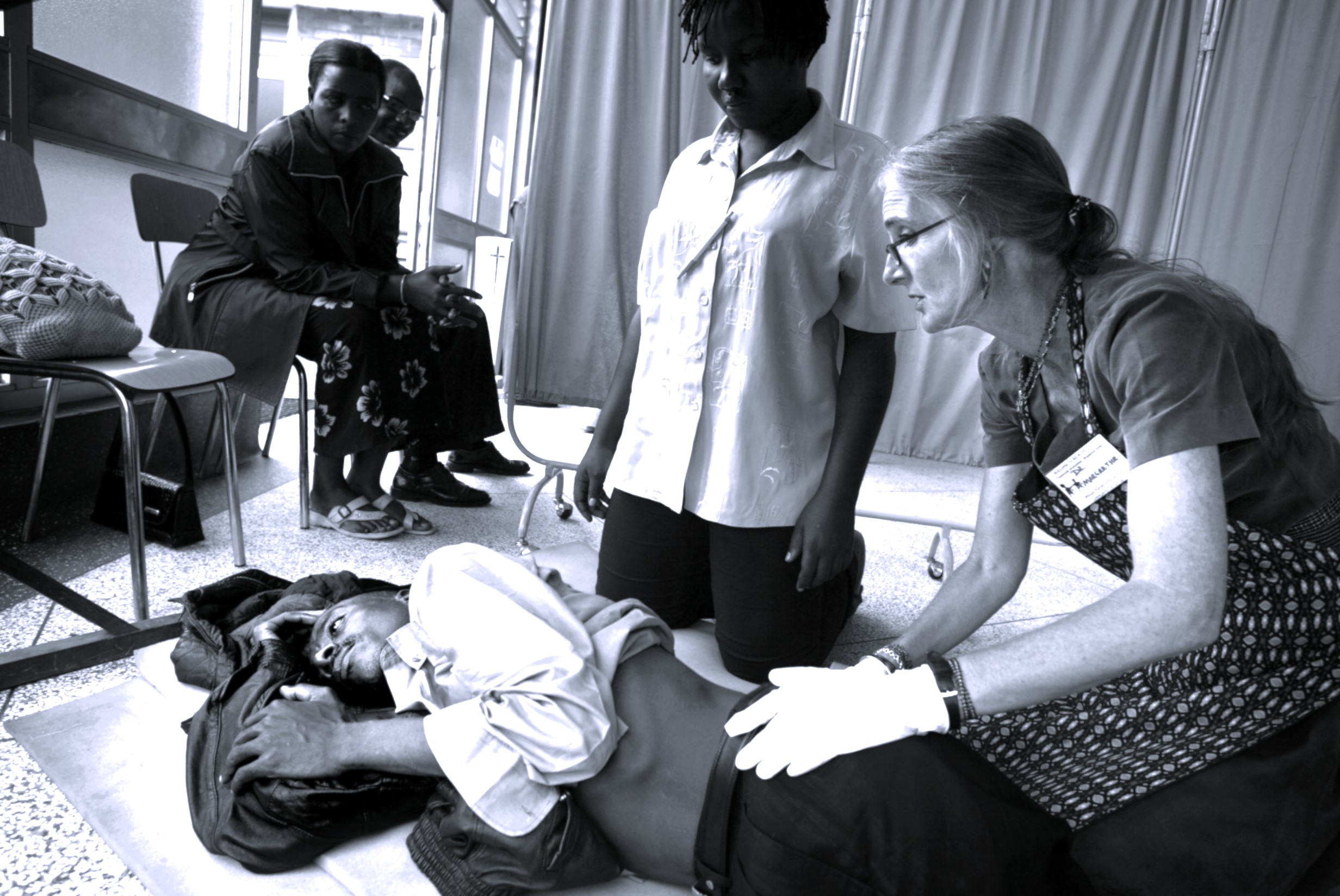
Limited resources and minimal infrastructure marked the early years. There was no formal organizational structure, policies or adequate facilities. Clients often waited in open spaces with little furniture, but despite these challenges, the commitment to serve remained unwavering.
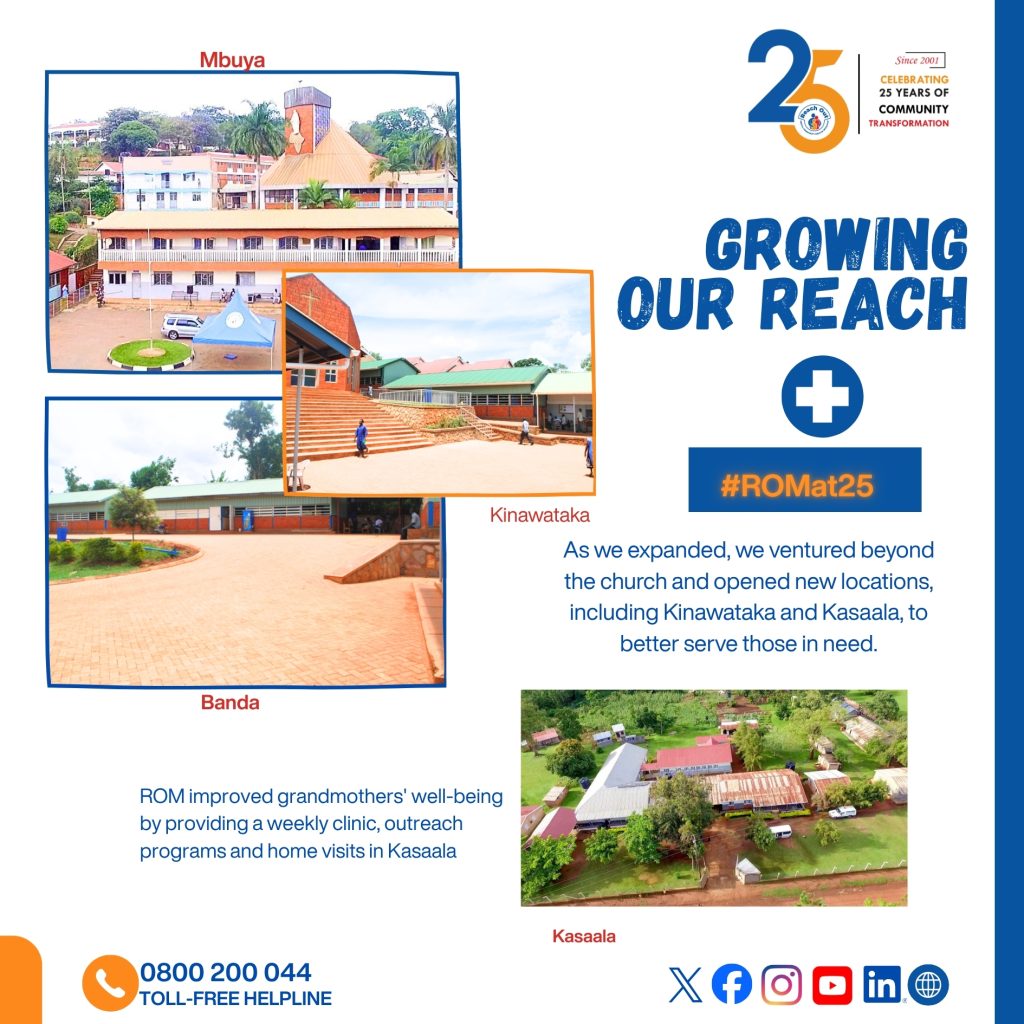
As the number of clients increased, ROM established its first outreach clinic at Banda Church, operating once a week to bring services closer to communities in need. In 2002, ARV and TB Treatment Supporters were introduced to improve treatment adherence and completion rates among clients battling tuberculosis.
Addressing Poverty Alongside Disease
ROM quickly recognized that medical care alone was not enough. Many clients faced extreme poverty, making it difficult to adhere to treatment and support their families.
In 2002, the Bread of Life initiative was launched to provide small loans that enabled clients to start income-generating activities. During the same year, partnerships with the World Food Programme (WFP) and AVSI enabled ROM to provide food support to vulnerable households affected by HIV/AIDS.
A major milestone came in September 2002 with the establishment of the Roses of Mbuya Workshop. At the time, many clients were widows and HIV-affected women with limited education and few economic opportunities. The workshop equipped them with tailoring, knitting and weaving skills, empowering them to earn an income and improve their families’ wellbeing.
On April 9, 2003, the workshop received its first donation from the South African Women’s Association, laying the foundation for what would later become Roses of Mbuya Social Enterprise (ROMSE), a thriving social enterprise that continues to create livelihoods while supporting ROM’s programs.
Investing in Children’s Futures
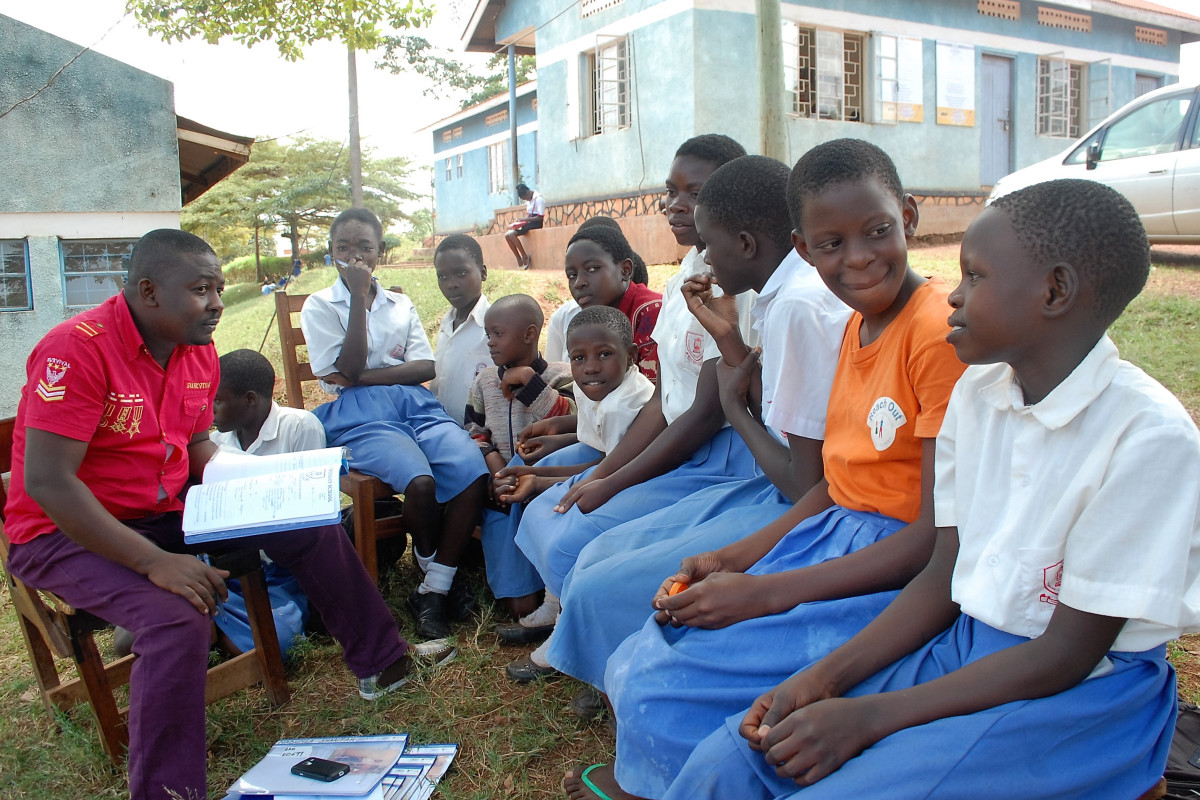
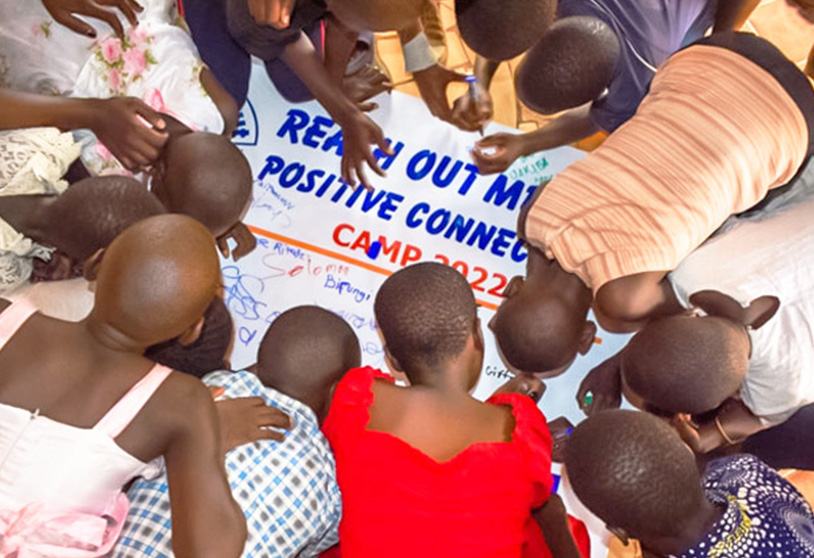
In 2003, ROM launched Operation School Fees under the Orphans and Vulnerable Children (OVC) program. The initiative was created to support children affected by HIV/AIDS and ensure they remained in school despite economic hardships.
Beginning with just 63 children, the program expanded significantly over the years, eventually supporting thousands of vulnerable children with education and related services.
Expanding Health Services
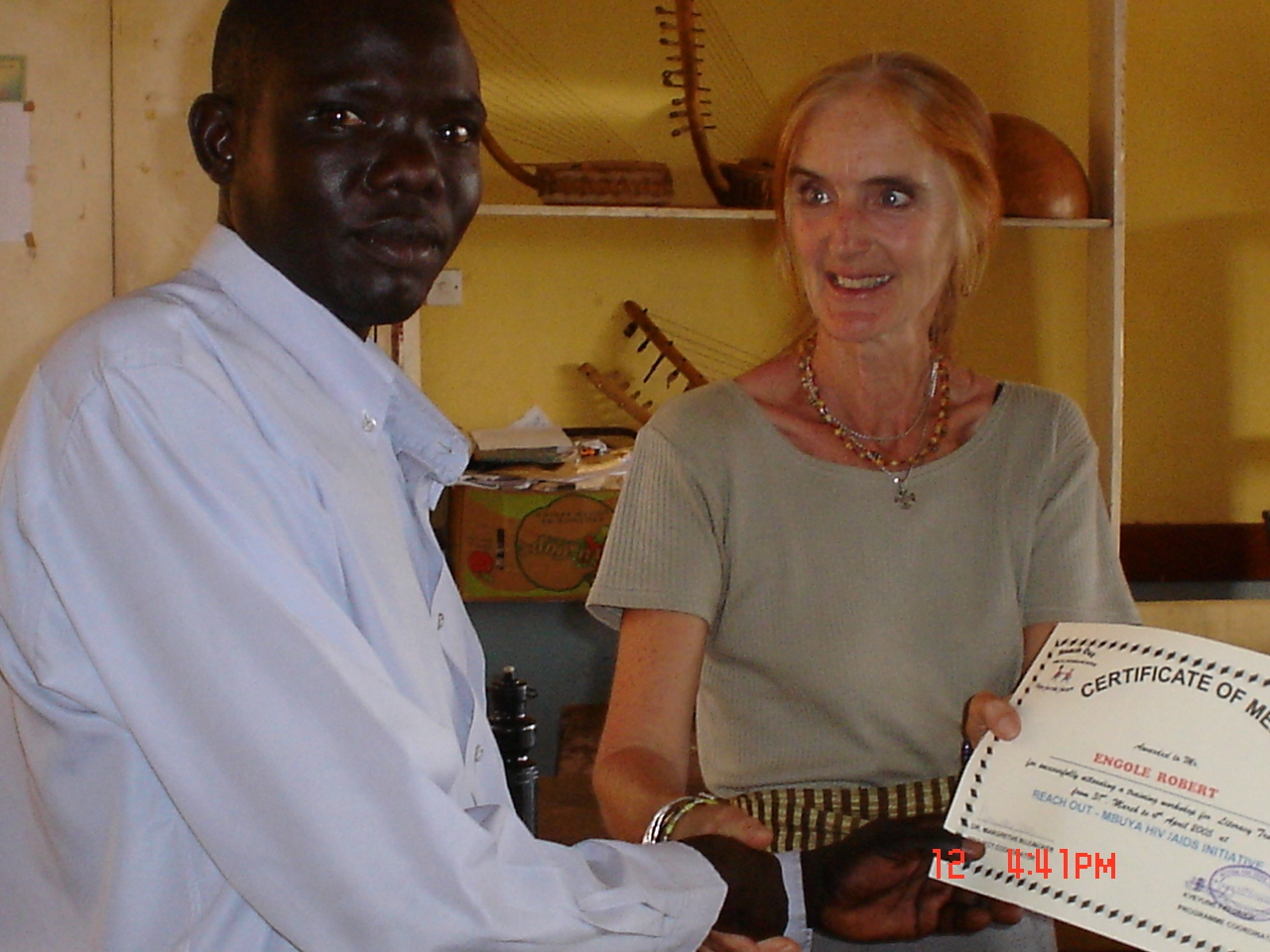
Robert Engole was the first recipient of ART in Uganda with support from PEPFAR in 2004
The year 2006 marked a turning point in ROM’s growth. Through partnerships with JCRC and the Goodwill Program under the DART Study, ROM began providing Antiretroviral Therapy (ART) services, initially enrolling 26 patients.
The same year saw the introduction of a Pediatric ART Program aimed at providing treatment and psychosocial support to children living with HIV. While challenges such as poor retention and adherence were encountered, the program laid the groundwork for comprehensive pediatric HIV care.
Recognizing the burden carried by elderly caregivers, ROM also established the Grandmothers’ Program to support older women caring for orphaned children. Adult literacy and prevention programs were introduced to build resilience and improve community awareness.
Growth Beyond Church Walls
In 2006, ROM moved out of the church premises following the demolition of the parish block. This transition marked the beginning of significant institutional growth.
ROM established the Kinawataka Clinic, which would become the organization’s busiest service site. By January 2009, a fourth site had been opened in Kasaala, Luweero District, offering integrated primary health care and HIV services to underserved communities.
Embracing a Holistic Model of Care
Between 2009 and 2015, ROM adopted a Holistic Model of Care that addressed the Body, Mind, Family and Community. This represented a major shift from disease-centered care to person-centered health services.
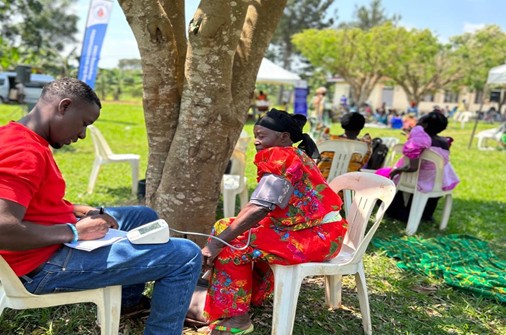
The model integrated medical services such as HIV treatment, tuberculosis care, PMTCT, family planning referrals and male involvement initiatives. It also strengthened psychosocial support through counseling, home visits and adolescent support programs.
Economic empowerment interventions expanded through the Roses of Mbuya, currently known as the ROM Social Enterprise (ROMSE), Village Savings and Loan Associations (VSLAs) and small business development initiatives. Community-based structures including Mother-to-Mother Supporters, ARV and TB Treatment Supporters, and adolescent peer supporters, became vital pillars of service delivery. Spiritual care remained central through faith-based counseling and community worship opportunities.
Building Partnerships and Earning Recognition
Between 2010 and 2018, ROM strengthened its partnerships. It expanded its impact through collaborations with organizations including CDC Uganda, the University of Wisconsin Village Health Project, Medical Mission International, the Stephen Lewis Foundation and the Kenny Family Foundation.
Corporate partners such as ABSA Bank, M+R Spedag and the Uganda Bikers Association also contributed to community development initiatives.
During this period, Her Royal Highness Sylvia Nagginda, the Nnabagereka of Buganda, officially opened the Roses of Mbuya Workshop, recognizing its contribution to women’s empowerment and community development.
Innovation and Impact
Over the years, ROM has continued to innovate to meet evolving community needs. Home-based services, moonlight HIV testing and couple counseling approaches were introduced to increase service uptake and improve health outcomes.
The organization strengthened economic resilience through Village Savings and Loan Associations (VLSAs), which replaced traditional microfinance models. Today, dozens of savings groups continue to support household financial security, while Roses of Mbuya Social Enterprise generates income that supports both women’s livelihoods and ROM’s operations.
While significant progress has been achieved, challenges remain. Donor dependency, economic instability, rising costs of living, persistent poverty and increasing HIV infections among young people continue to affect communities.