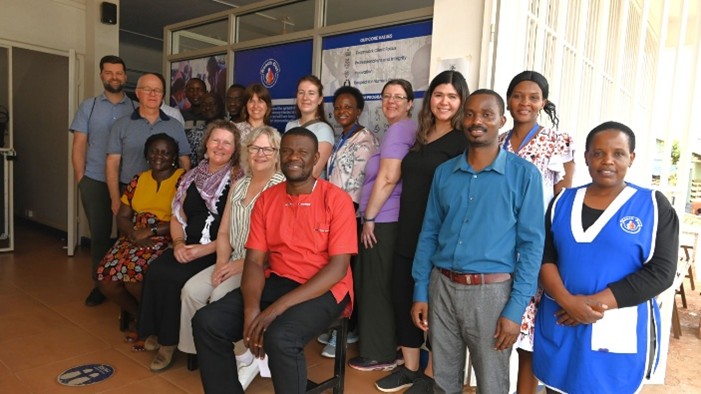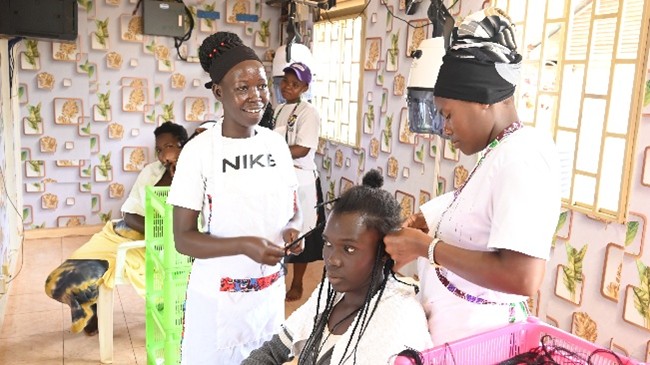
At Reach Out Mbuya Community Health Initiative (ROM), we recognize that improving maternal and child health requires more than access to healthcare services alone. Sustainable change is achieved when health interventions are complemented by efforts that strengthen household resilience and economic well-being. Through the Maternal and Child Care (MCC) Project, ROM adopts a holistic approach that integrates maternal and child health services with socioeconomic empowerment initiatives for young and vulnerable mothers.
Over the past five years, the project has been implemented across 4 communities (Banda, Mbuya Hill, Kinawataka and Zone 7) in Nakawa Division, supporting young mothers and their families to live healthier, more dignified, and resilient lives. The project combines access to quality healthcare, health education, vocational skills development, entrepreneurship support, and community-based empowerment interventions that address the underlying causes of vulnerability. By equipping mothers with the knowledge, skills, and resources needed to improve their livelihoods, the project enhances household income, strengthens family resilience, and promotes better health and nutrition outcomes for children. This integrated model ensures that improvements in health are sustained through increased economic stability and self-reliance.
In May 2026, representatives from the Mennonite Central Committee (MCC), the project’s funding partner, visited beneficiary communities in Nakawa Division to observe firsthand the impact of the initiative. The visit provided an opportunity to engage with young mothers, community leaders, and project participants, hear personal stories of transformation, and witness the progress being made toward improving maternal and child wellbeing, strengthening livelihoods, and building more resilient communities
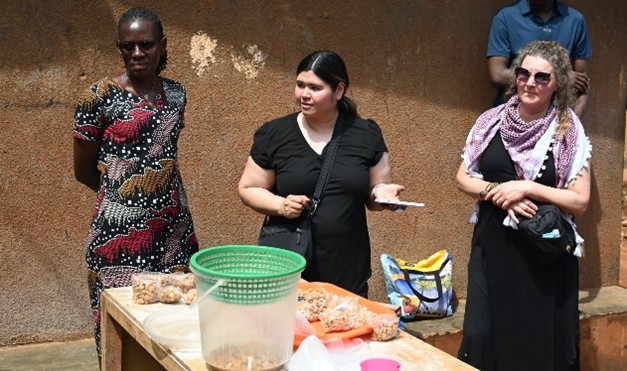
During the visit, the team interacted with beneficiaries whose lives have been positively transformed through the project’s integrated approach. In addition to accessing essential maternal and child health services, participants have benefited from vocational skills training, entrepreneurship support, and livelihood strengthening initiatives that are enhancing household incomes, promoting self-reliance, and improving the wellbeing of their families.