
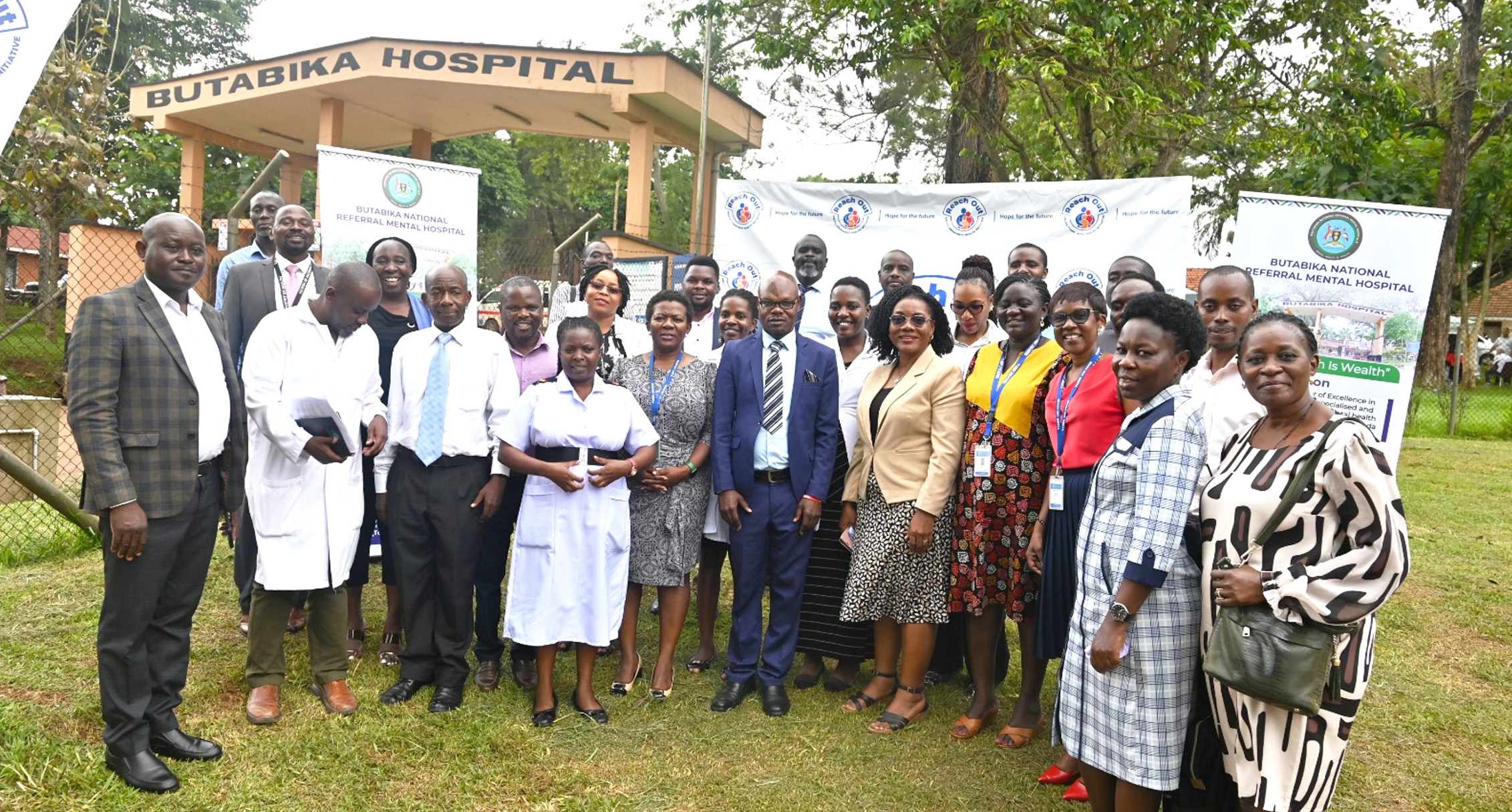
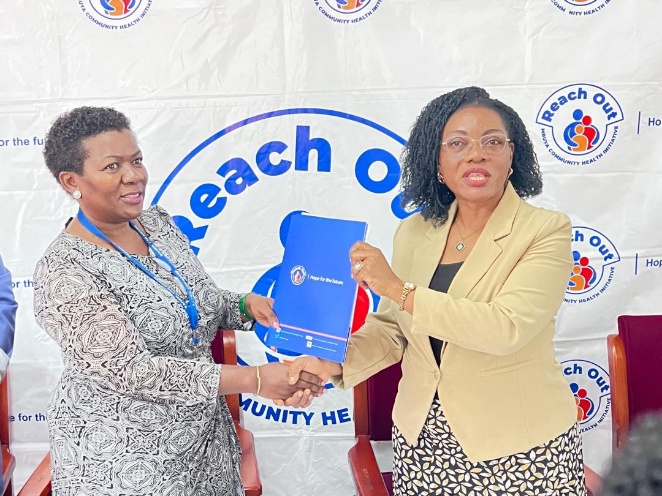
The government of Uganda has taken a significant step in addressing drug dependence and HIV prevention following the official handover of the Opioid Agonist Treatment (OAT) program to Butabika National Referral Hospital.
The program, which has been funded by CDC and implemented under the ROM-Kampala HIV Project since October 2023, focuses on supporting People Who Inject Drugs (PWIDs), a high-risk group with an estimated HIV prevalence of 17% in Uganda.
Transforming Lives Through Treatment
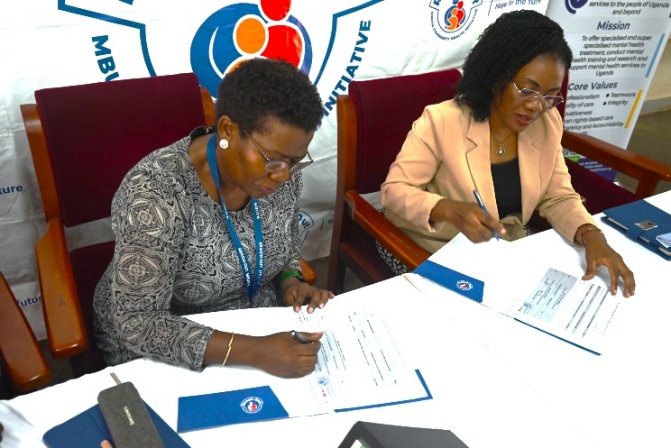
Ms. Elizabeth Kaleebi, ED at ROM and Dr. Harriet Nakku, upon signing the handover documents.
Since its rollout in September 2020, the OAT program has enrolled 925 clients, providing life-saving treatment using methadone and buprenorphine. These medications help reduce drug dependence, prevent relapse, and lower the risk of HIV and other infections.
The impact has been notable:
- 377 clients re-engaged in employment
- 597 clients reintegrated with families
- 240 clients completed treatment and are living independently.
CDC Representative noted,
“We recognize the remarkable progress made in strengthening comprehensive healthcare services in Uganda. What began in 2020 as a small initiative has grown into a nationally recognized model of integrated care. This program has expanded its reach significantly, serving hundreds of individuals and positively impacting many more through comprehensive, person-centered services.”
These numbers, she added, represent more than statistics; they reflect real lives transformed. Many beneficiaries have stabilized their health and reconnected with their families, restoring hope and dignity.
“The success of this approach lies in its integration, providing treatment for opioid use disorder alongside HIV care, mental health services, and psychosocial support, all under one roof. This model has contributed to improved health outcomes, including HIV prevention and viral suppression.
We also acknowledge the invaluable contributions of Reach Out Mbuya Community Health Initiative (ROM), the Uganda Harm Reduction Network, and other civil society organizations. Your dedication has ensured that this program not only delivers treatment but also restores dignity and hope to some of the most vulnerable members of our communities. As we move forward, maintaining high-quality care remains our shared priority. The voices and lived experiences of those we serve will continue to guide us in strengthening these services, she said.
Improving Access Through Innovation
To address challenges such as long travel distances and stigma, the program introduced a Mobile Van Dispensing (MVD) model at Kisenyi Health Centre IV in August 2025. The mobile unit provides daily medication and additional services, including HIV testing, TB screening, and mental health support.
So far, 44 clients have been enrolled through this outreach model, bringing services closer to communities.
Dr Edith Nakku, the Executive Director of Butabika National Referral Hospital noted,
“This initiative has supported many individuals to regain control of their lives, particularly young people who have greatly benefited from these services. We strongly believe that this service is essential because of the visible impact it has had, especially among vulnerable populations.
On behalf of Ministry of Health Uganda and Butabika National Referral Hospital, I extend sincere appreciation to all partners for the time, effort, and commitment invested in delivering this service. As we transition, there is a need to properly package Medication-Assisted Treatment (MAT) so that it is fully integrated and recognized within the broader health system, positioning it as a standard, accessible, and sustainable service.
We have now moved into the next phase; one that requires ownership, continuity, and strengthening of what has already been built.
Despite its success, the program has faced several challenges:
- Long distances to treatment centers affecting adherence
- Limited family and community support systems
- Stigma and misinformation about OAT
- Limited access to hepatitis testing services
Program implementers addressed some of these barriers through peer support systems, psychosocial counseling, and community engagement.
Lessons and the Way Forward
Key lessons from the program highlight the importance of:
- Peer-led outreach in identifying and supporting clients
- Collaboration with civil society organizations
- Mobile service delivery to improve accessibility
As the program transitions fully to government management, stakeholders are calling for:
- Inclusion of methadone and buprenorphine on the national essential medicines list
- Increased government funding
- Expansion of services to more communities.
The handover included 279 assets, trained personnel, and integrated monitoring systems to ensure continuity. Stakeholders emphasize that government ownership is crucial for long-term sustainability and national scale-up. With continued collaboration between the Ministry of Health, community organizations, and development partners, Uganda’s OAT program is expected to play a critical role in reducing HIV infections and improving the lives of vulnerable populations.