
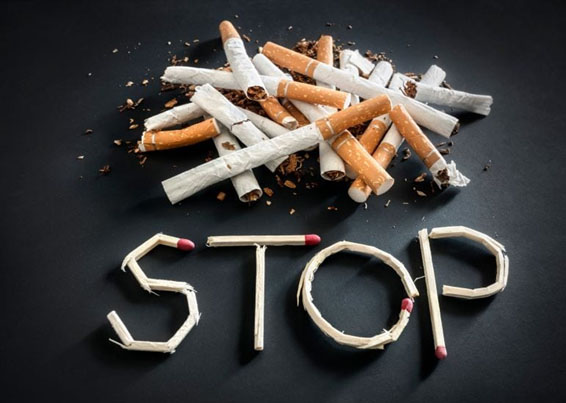
Wednesday, 31st May 2023, will be World No-Tobacco Day. By commemorating this day, we are reminded that tobacco consumption is dangerous to our lives. Tobacco consumption has various dangers, including health threats, environmental degradation and other economic implications.
In Uganda, the consumption of tobacco is predominantly prevalent among both the younger generation and the elderly population. It is a major risk factor for many disease conditions, including cardiovascular (heart and blood vessel) disease, stroke and various types of cancer, particularly lung and oral cancer.
In addition, tobacco consumption can lead to respiratory diseases, including chronic obstructive pulmonary disease (COPD), which impairs the respiratory system’s normal function. It also compromises the body’s immune system, making one more susceptible to infections. Furthermore, it poses significant risks to pregnant women, negatively impacting the birth weight of newborns.
It is important to note that due to the presence of highly addictive nicotine in tobacco, it is difficult to quit smoking, putting smokers at a risk of suffering from the aforementioned effects.
In our communities, tobacco consumption negatively affects both our health and the environment. Tobacco cultivation and processing generate significant waste and pollutants, such as chemical residues. These materials have a detrimental impact on soil health, reducing its fertility and compromising its capacity to sustain a diverse range of plant and animal species. Over time, this loss of biodiversity and soil quality can contribute to broader environmental imbalances, exacerbating global warming.
As far as economic implications are concerned, tobacco consumption presents financial challenges to individuals and society because of the recurring expenses associated with purchasing tobacco products.
At the societal level, tobacco consumption contributes to higher medical costs and productivity losses due to associated health issues. Furthermore, the economic strain extends to families and communities, with secondary health effects, particularly on children, who may suffer from the consequences of passive smoking.
Therefore, to remain safe, anti-tobacco laws are essential for the well-being of individuals, related stakeholders, and society at large. You are encouraged to choose wisely.
Authored by Manda Liao, a volunteer at Reach Out Mbuya Community Health Initiative.


